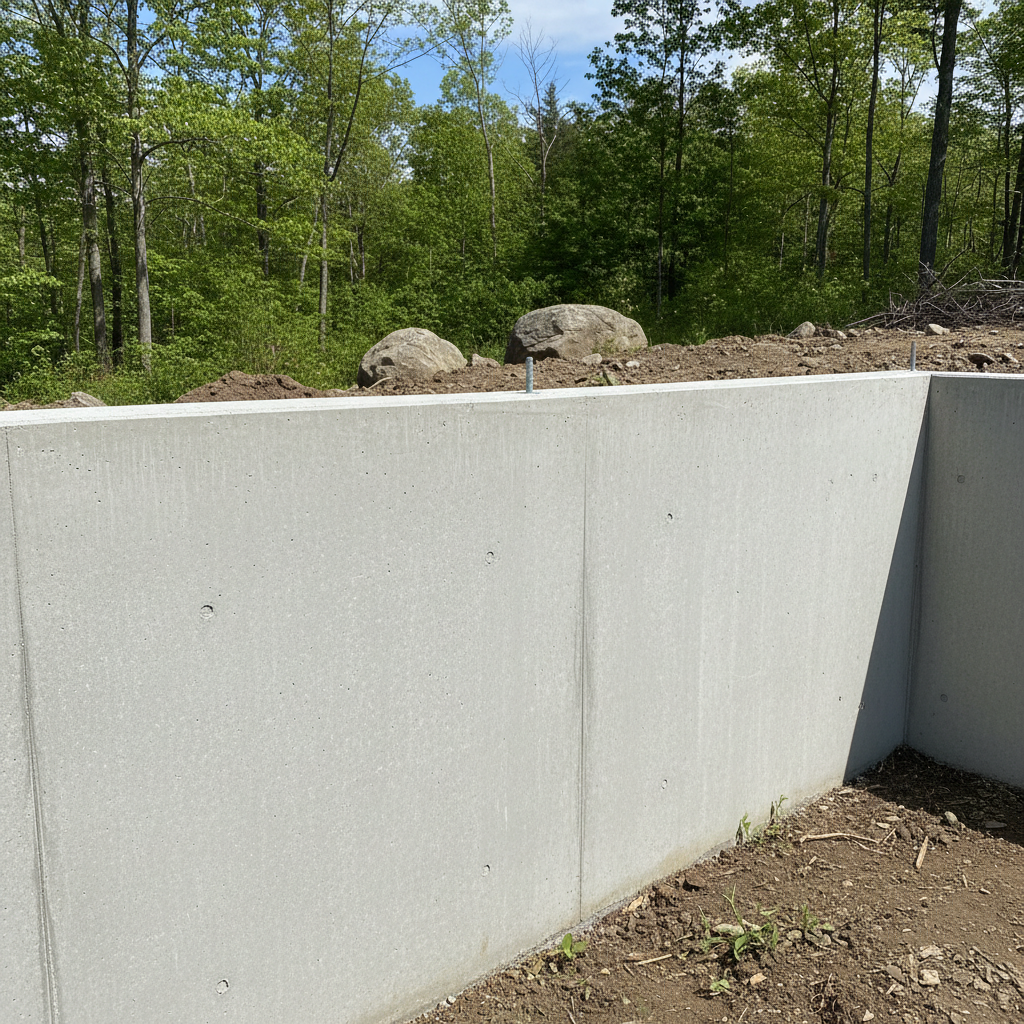
What's the typical lifespan of a concrete foundation in Rhode Island?
That's a big one, and it's not a simple 'X number of years' answer. A well-built concrete foundation, properly maintained, can easily last 80 to 100 years, sometimes even more. I've seen foundations in Federal Hill that are over a century old and still doing their job, though they might have needed some TLC along the way. The key is 'well-built' and 'properly maintained.' Things like the quality of the concrete mix, how it was poured and cured, and the drainage around your home all play a huge role. Our freeze-thaw cycles here in Providence are tough on concrete, so good drainage is absolutely critical for longevity. If water is constantly pooling around your foundation, you're asking for trouble, no matter how good the original pour was.
How do I know if my foundation cracks are serious or just cosmetic?
This is probably the most common question I get. Not all cracks are created equal. Hairline cracks, especially vertical ones that are less than 1/8th of an inch wide, are often just shrinkage cracks. Concrete shrinks as it cures, and these are pretty normal. You might see them in a basement wall, and they're usually nothing to panic about. The ones you need to worry about are horizontal cracks, stair-step cracks in block foundations, or vertical cracks that are wider than 1/4 inch, or where one side of the crack is pushing past the other. If you can see daylight through a crack, or if it's accompanied by bowing walls, sticking doors/windows, or water intrusion, then yeah, that's serious. Don't ignore those. Get an expert to look at it. We've seen plenty of homes in the East Side where an ignored crack turned into a much bigger, more expensive issue down the line.
What causes foundation problems in Providence homes?
A few main culprits, honestly. First off, soil conditions. We've got a mix of things here in Rhode Island, from sandy loams to heavier clays. Clay soils, especially, can expand when wet and contract when dry, putting a lot of stress on a foundation. Poor drainage, like I mentioned, is huge. Gutters that dump water right next to the foundation, or grading that slopes toward the house, will saturate the soil and cause problems. Tree roots are another one; they can grow under a foundation and suck moisture out of the soil unevenly, leading to settlement. Then there's the age of the home. Older homes, especially those built before modern building codes, might have less robust foundations or no proper waterproofing. And sometimes, it's just plain old settlement over time, which is natural, but can be exacerbated by any of the above.
Can I fix minor foundation cracks myself, or should I always call a pro?
For those super small, non-structural hairline cracks, you *can* sometimes seal them yourself with an epoxy or polyurethane injection kit you can get at a hardware store. It's a temporary fix for water intrusion, not a structural repair. But here's the deal: if you're not sure what you're looking at, or if the crack is anything more than a tiny surface imperfection, you really should call someone. You don't want to accidentally seal in moisture or miss a sign of a bigger problem. Plus, a professional repair will often come with a warranty. With something as critical as your foundation, it's usually worth the peace of mind to have it done right. Precision Concrete Providence always recommends a professional assessment for anything beyond the most superficial cracks.
What's involved in foundation waterproofing, and is it necessary for my basement?
Waterproofing is all about keeping water out of your basement, and yeah, for most homes in our climate, it's pretty necessary if you want a dry basement. There are a few approaches. Exterior waterproofing involves excavating around the foundation, cleaning the walls, repairing any cracks, applying a waterproof membrane, and often installing a French drain system to divert water away. It's a big job, but it's the most effective. Interior waterproofing usually involves installing an interior drainage system, like a trench around the perimeter of your basement floor that collects water and directs it to a sump pump. Sometimes it's a combination of both. If you've got a damp or wet basement, especially after heavy rains, you definitely need to look into it. A dry basement isn't just about comfort; it prevents mold, protects your belongings, and maintains your home's structural integrity.
How much does a typical foundation repair cost in Providence?
That's like asking, 'How much does a car cost?' It varies wildly. A small crack injection might be a few hundred bucks. If you're talking about installing steel I-beams to stabilize a bowing wall, you're probably looking at several thousand. Major structural repairs, like underpinning or replacing a section of a foundation, can easily run into the tens of thousands, sometimes more. It truly depends on the extent of the damage, the type of foundation (block vs. poured concrete), accessibility, and the specific repair method needed. The best way to get an accurate idea is to get a few quotes from reputable foundation repair specialists who can come out and assess your specific situation. Don't go with the cheapest bid without understanding what's included and checking references.
How can I prevent foundation problems in the first place?
Prevention is always cheaper than repair, right? Here are the big ones: First, manage your water. Make sure your gutters are clean, in good repair, and extend at least five to ten feet away from your foundation. The ground around your house should always slope away from the foundation, not towards it. Keep an eye on large trees and shrubs near the house; their roots can be problematic. Avoid planting anything too close to the foundation. Regularly inspect your basement walls for new cracks or signs of moisture. If you see something, address it early. Proper ventilation in your basement can also help reduce humidity, which is good for your foundation and overall home health. It's all about being proactive and paying attention to what your house is telling you.